- 1. DUBAI REEFS – A FLOATING CITY FOR NATURE AND SCIENCE
- 2. DUBAI MANGROVES – THE GREEN SHIELD OF THE COAST
- 3. PALM JEBEL ALI – BIGGER, BOLDER, AND BUILT FOR TOMORROW
- 4. THE ISLAND BY WASL – A LUXURY DESTINATION WITHOUT THE CASINO
- 5. HATTA BEACH – MOUNTAIN RETREAT MEETS LUXURY DEVELOPMENT
- 6. JEBEL ALI BEACH – DUBAI’S LONGEST OPEN BEACH
- 7. DUBAI ISLANDS – A NEW CHAPTER IN WATERFRONT LIVING
- 8. THE WORLD ISLANDS – A REVIVAL OF A SLEEPING GIANT
- BUILDING TOMORROW, TODAY
Dubai is not slowing down.
While most cities plan one big project per decade, Dubai launches several—every year.
The skyline keeps rising, the coastline keeps growing, and the vision keeps expanding.
But 2025 is different.
This year isn’t just about size or height.
It’s about balance—between nature, innovation, and global tourism.
Dubai is moving beyond luxury for the sake of it.
Now, it’s building floating cities, planting forests on water, and creating green corridors through the desert.
Marine life is being restored.
Heritage sites are being protected.
Public beaches are being expanded, not privatized.
Eco-tourism is no longer a buzzword; it’s being engineered.
From the peaks of Hatta to the deep sea near Jebel Ali, new destinations are emerging.
Corals, mangroves, and clean-energy systems are becoming standard features—not extras.
Developers are no longer just building for tourists; they’re building for the planet.
And these projects aren’t small.
They span kilometers, cost billions, and serve millions.
Whether you’re a traveler, investor, engineer, or just someone who loves bold ideas—Dubai’s 2025 megaprojects will make you rethink what’s possible.
Because this isn’t just urban planning.
This is future-proofing on a global scale.
1. DUBAI REEFS – A FLOATING CITY FOR NATURE AND SCIENCE
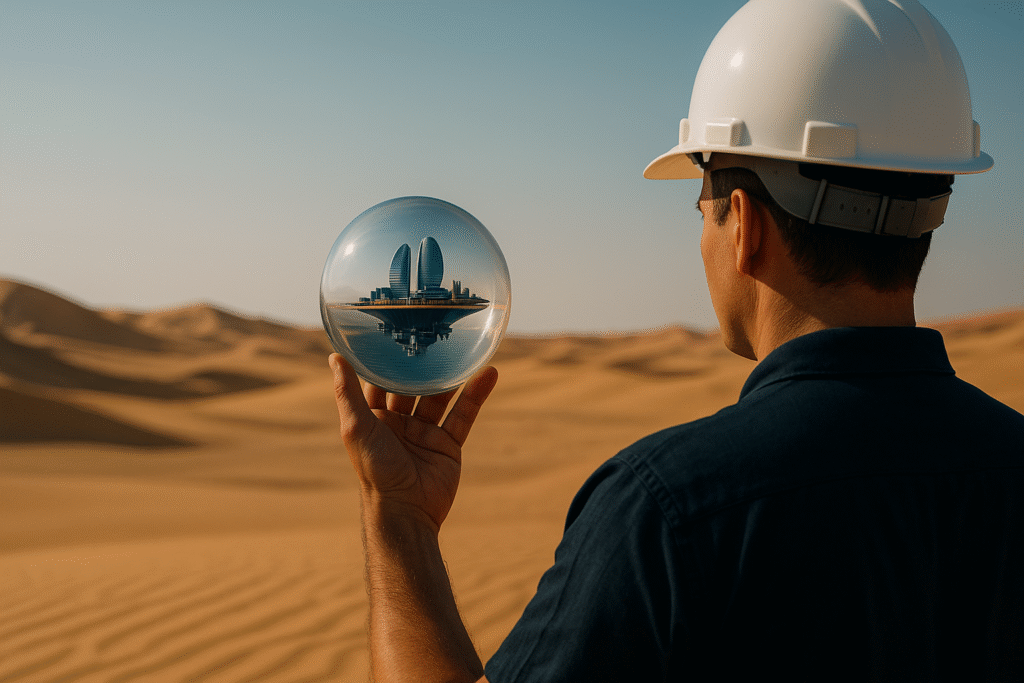
Dubai Reefs is a bold plan to build a floating community in the sea. It is designed by URB to support marine research, eco-tourism, and ocean regeneration. The project will feature homes, shops, hotels, schools, and laboratories. Its purpose is to protect Dubai’s coastline and marine ecosystems. The city will become a habitat for over one billion corals, helping restore underwater life. It will also plant 100 million mangrove trees, which clean the air and protect the shores. Dubai Reefs combines science and sustainability in a new way. It will attract tourists, students, and researchers from all over the world. The design is energy-efficient and uses green technologies. This project shows Dubai’s ambition to become a global eco-friendly destination.
2. DUBAI MANGROVES – THE GREEN SHIELD OF THE COAST
The Dubai Mangroves project is another visionary initiative by URB. It aims to plant more than 100 million mangrove trees along 72 kilometers of coastline. These trees will act as a natural barrier against erosion and rising sea levels. Mangroves are also essential for cleaning water and supporting fish and bird life. The area will not only protect nature, but also become a space for education and tourism. Visitors will enjoy guided nature walks, interactive learning centers, and a botanical museum. The project will include a Mangrove Visitor Hub and a Conservation Center. These facilities will teach people how to protect the environment. The site will be open to families, schools, and tourists. Dubai Mangroves shows how urban development and environmental care can go hand in hand.
3. PALM JEBEL ALI – BIGGER, BOLDER, AND BUILT FOR TOMORROW
Palm Jebel Ali is a massive island project announced by Sheikh Mohammed bin Rashid Al Maktoum in 2023. It will be twice the size of the well-known Palm Jumeirah. The new island will cover about 13.4 square kilometers and include seven connected islands. The master plan includes 80+ hotels and resorts, offering new places to stay, relax, and enjoy. The original design also included six marinas, a sea village, and a water theme park. Although full details are still limited, it promises to offer a wide range of entertainment and leisure options. Palm Jebel Ali is part of Dubai’s plan to expand its coastline and tourism appeal. It will create thousands of jobs and new business opportunities. The island will use smart infrastructure and sustainable building methods. This project continues Dubai’s vision of pushing the limits of urban design.
4. THE ISLAND BY WASL – A LUXURY DESTINATION WITHOUT THE CASINO
“The Island” is a luxury resort development led by Wasl, near the iconic Burj Al Arab. First announced in 2017, it was silent for years until 2023 when construction officially resumed. The project is being built by China State Construction Engineering Corporation under a $1.2 billion contract. It will feature 1,400 hotel rooms from major MGM brands like Bellagio, Aria, and MGM Grand. Although early plans included a casino, this feature was removed after failing to get government approval. Still, the project will offer world-class hospitality without the need for gambling. It aims to attract high-end tourists looking for comfort, style, and unforgettable views. “The Island” will also likely include restaurants, entertainment venues, and wellness centers. MGM’s involvement adds global recognition and luxury branding. The development proves Dubai can deliver premium experiences while respecting cultural values.
5. HATTA BEACH – MOUNTAIN RETREAT MEETS LUXURY DEVELOPMENT
Hatta Beach is part of a large eco-tourism plan for the Hatta region, approved in early 2024. The key feature will be a Crystal Lagoon—a man-made water body covering 10,000 square meters. This lagoon will allow swimming, relaxation, and water activities in the mountain setting. Around it, there will be eco-resorts, hiking and biking trails, waterfalls, and viewing spots. A cable car system will offer scenic rides over the Hatta Dam, making the area more accessible and exciting. The plan also focuses on restoring natural and historic areas like Wadi Lim Lake, Falaj Al Shari’a, and ancient Hatta tombs. A new Hatta Souq will feature 70 commercial shops to support local businesses and crafts. The downtown area will be upgraded with residential and retail developments. New attractions will be added to the Heritage Village and Leem Lake. Hatta Beach combines culture, nature, and tourism, turning a quiet mountain town into a must-visit destination.
6. JEBEL ALI BEACH – DUBAI’S LONGEST OPEN BEACH
The Jebel Ali Beach project aims to create Dubai’s longest public beach, stretching 6.6 kilometers along the coast. Approved by Sheikh Hamdan bin Mohammed, the project focuses on access, recreation, and sustainability. It will be open to everyone—families, tourists, and athletes alike. The beach will include recreational zones, marine activity centers, and viewing platforms. Separate areas will be designed for different age groups and interests. Visitors can enjoy sports, relaxing views, and social spaces without needing to pay for access. This project reflects Dubai’s vision of public spaces that support health, happiness, and community. Environmental care will also be part of the design, ensuring the beach is clean and safe. The development will boost nearby property values and attract tourism to Dubai’s south coast. Jebel Ali Beach shows that not all megaprojects need to be luxury-focused—sometimes, public benefit is the real value.
7. DUBAI ISLANDS – A NEW CHAPTER IN WATERFRONT LIVING
Previously known as Deira Islands, this project was rebranded as Dubai Islands in 2022 by Nakheel, one of Dubai’s leading developers. It consists of five islands, each designed for a specific theme—luxury living, wellness, family tourism, and cultural experiences. The islands will feature over 80 hotels and resorts, including boutique, eco-friendly, and family-focused options. This wide range is aimed at boosting Dubai’s appeal to different types of travelers. The islands will have 20 kilometers of beaches, some of which are Blue Flag certified for their high environmental standards. There are already Riu and Centara hotels operating, and more like Rixos are planned. The layout includes beach clubs, cultural centers, and retail zones. It will also offer water sports, entertainment, and lifestyle amenities. The project’s focus is on long-term tourism growth with sustainability in mind. Dubai Islands is not just about expansion—it’s about designing better places to live and visit.
8. THE WORLD ISLANDS – A REVIVAL OF A SLEEPING GIANT
The World Islands project was launched in 2008 but remained quiet for years. Now, it’s finally coming to life with several luxury developments underway. The islands are shaped like a map of the world, and each one hosts themed resorts and homes. Hotels like Anantara and voco Monaco Dubai are already welcoming guests. Features include The Raining Street, the largest swimming pool in the Middle East, and other creative attractions. Zuha Island is a key addition—offering just 30 ultra-luxury villas and a boutique resort with a beach club and spa. Another standout is the Sweden Beach Palace, built for the ultra-rich with direct sail-in access. These properties cater to private island living with top-end hospitality. Developers are positioning The World as Dubai’s next elite zone for retreats and private ownership. After years of waiting, this iconic project is finally fulfilling its original dream.
BUILDING TOMORROW, TODAY
Dubai is not just planning for the future—it’s building it now.
Each megaproject in this list shows a shift from fast growth to smart growth.
From floating reefs to mountain lagoons, the message is clear: sustainability matters.
Nature is no longer something to work around—it’s part of the plan.
This is urban development with a conscience.
The Dubai Reefs aim to heal the ocean, not just float above it.
The Mangroves will stand as a living green wall across the coast.
Palm Jebel Ali is back—bigger, better, and more balanced.
Wasl’s Island brings global hospitality without compromising local culture.
These aren’t just real estate investments—they’re environmental commitments.
Tourism is becoming more meaningful.
Luxury is being redefined by access to nature, not just marble floors.
Residents and visitors alike will benefit from smarter, cleaner infrastructure.
Jobs will be created not only in construction, but in research, sustainability, and education.
Public spaces are expanding instead of shrinking.
Cultural heritage is being preserved alongside futuristic design.
The projects prove that green development is not a trend—it’s a competitive advantage.
In a world full of noise, Dubai is making bold, long-term statements.
And if these projects stay on track, they won’t just change Dubai—they’ll inspire cities around the world.
This is not a city reacting to the future. This is a city shaping it.

🚧 Need expert help? → Book a 1:1 consultation for your construction project management, planning, or automation challenges.
📚 Looking for powerful industry reads? → Visit my recommended books page for construction, leadership, and tech picks.
👷 Want gear and tool suggestions? → See my recommended gear list.
📬 Join the inner circle → Subscribe to the newsletter and get actionable project tips every week.
🌍 Explore my global experience → View projects I’ve contributed across 7 countries, including mega-developments and complex infrastructure work.
🔗 Stay connected → Follow me on LinkedIn for daily insights, behind-the-scenes breakdowns, and expert construction management content.